À Walcourt, la basilique Saint-Materne domine encore les toits et les vallons de l'Entre-Sambre-et-Meuse. Sous cette silhouette familière, il faut imaginer un autre monde : chartes scellées, droits de justice, moulins, hommes d'armes et fidélités prêtées à plusieurs princes. C'est là qu'apparaît, au XIIe siècle, une maison seigneuriale dont le nom rejoint aujourd'hui l'arbre de Johnny Deman.
La branche familiale conservée dans le projet remonte des Wauthy vers les Huwelet, puis vers les Walcourt. Elle rejoint Mathilde de La Roche, son époux Thierry Ier de Walcourt et leur fils Wéry III. Ces personnages ne sont pas des silhouettes ajoutées tardivement à un arbre en ligne : ils figurent dans des chartes, des chroniques et le Cartulaire de la commune de Walcourt publié par Léon Lahaye.
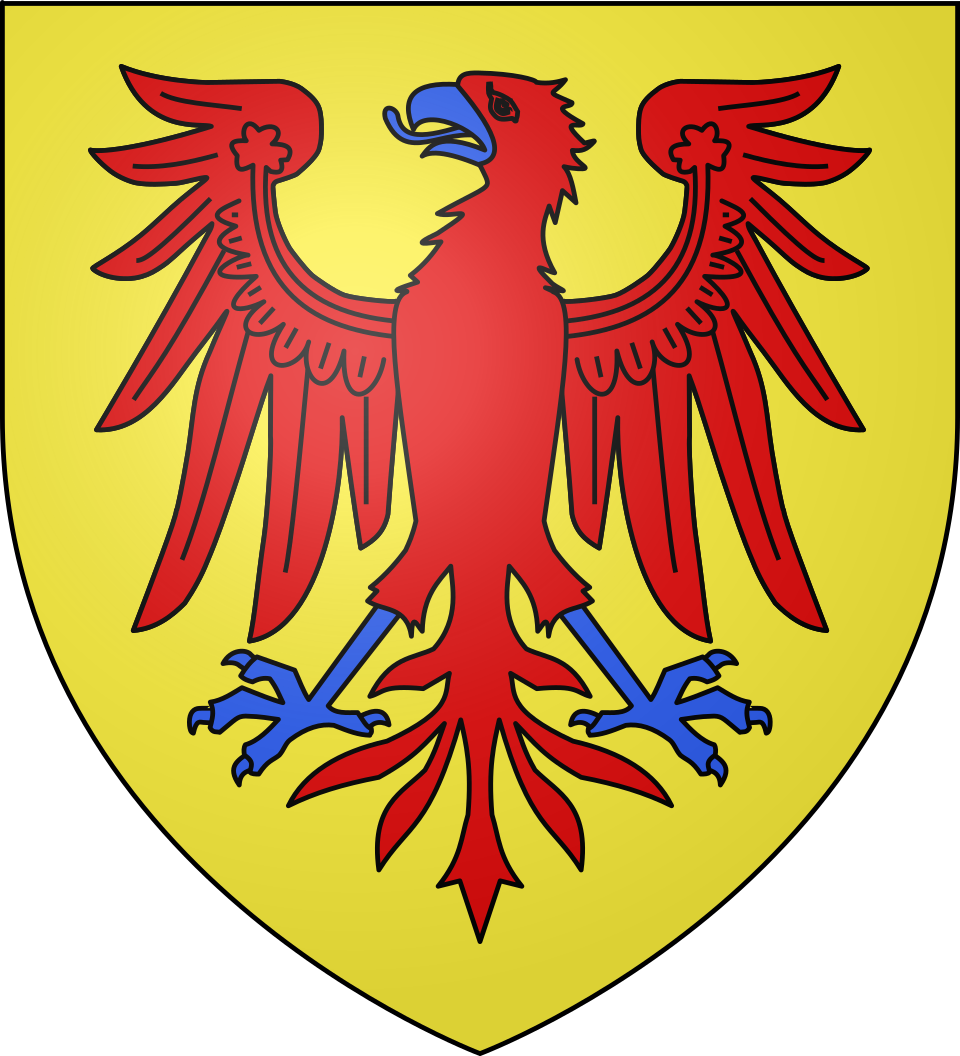
Thierry Ier et Mathilde : l'alliance de La Roche
Thierry Ier épouse Mathilde de La Roche, fille d'Henri Ier de Namur, comte de La Roche, et de Mathilde de Limbourg. L'union est rapportée par Lahaye et par l'édition savante des Actes des comtes de Namur de la première race. Thierry meurt avant 1152. Mathilde se remarie avec Nicolas d'Avesnes, mais son premier mariage a donné naissance à Wéry III.
Une seigneurie médiévale n'est pas seulement un château et un titre. Elle rassemble terres, redevances, marchés, droits de justice, moulins, hommes d'armes et liens féodaux. Par Wéry, les Walcourt entrent dans les querelles de succession et d'influence de Namur, Liège, du Hainaut et du Luxembourg.
Wéry III, le bâtisseur de puissance
Wéry III, attesté entre 1184 et 1206, épouse Gerberge de Duras. Cette alliance lui ouvre des droits dans un vaste héritage hesbignon. Après négociations et conflits, il obtient notamment Clermont-sur-Meuse, Rochefort et l'avouerie de Dinant. Ses prétentions sur La Roche échouent quand Frédéric Barberousse confirme d'autres arrangements en 1184, mais Wéry demeure un seigneur important.
Lors de la querelle pour l'évêché de Liège, il soutient Simon de Limbourg. Le cartulaire lui attribue aussi le renouvellement, en 1196, de la loi de Walcourt : elle encadre les redevances des bourgeois et limite les contributions arbitraires et leur service militaire. Une charte du 29 juin 1206 cite Wéry, Gerberge et plusieurs de leurs fils, repère solide dans une époque où bien des dates généalogiques restent estimées.
Thierry II : Steppes, Terre sainte et Jardinet
Le fils de Wéry, Thierry II, apparaît dès 1192 et porte le titre de seigneur de Walcourt en 1200. Il épouse une fille du comte Louis de Chiny. Lahaye la nomme Gertrude ; une étude plus récente propose Hadwide. Faute d'acte décisif réexaminé, les deux formes restent signalées.
En octobre 1213, à la bataille de Steppes, Thierry commande les hommes d'armes de Dinant, Fosses et Thuin dans l'armée du prince-évêque Hugues de Pierrepont. Deux ans plus tard, il accompagne celui-ci au concile réuni par Innocent III. Une donation de 1220 documente la préparation d'un départ pour la Terre sainte ; elle ne permet pas d'inventer les détails d'une croisade.
Thierry fonde aussi l'abbaye cistercienne du Jardinet. Une charte de 1232 lui attribue maisons, jardins, bois, terres, prés, droits de pêche et usage du moulin seigneurial. La tradition raconte qu'une statue de Notre-Dame, sauvée d'un incendie, se serait posée dans un arbre et que Thierry aurait promis d'y bâtir un monastère. L'abbaye est historique ; le prodige appartient à la légende religieuse.
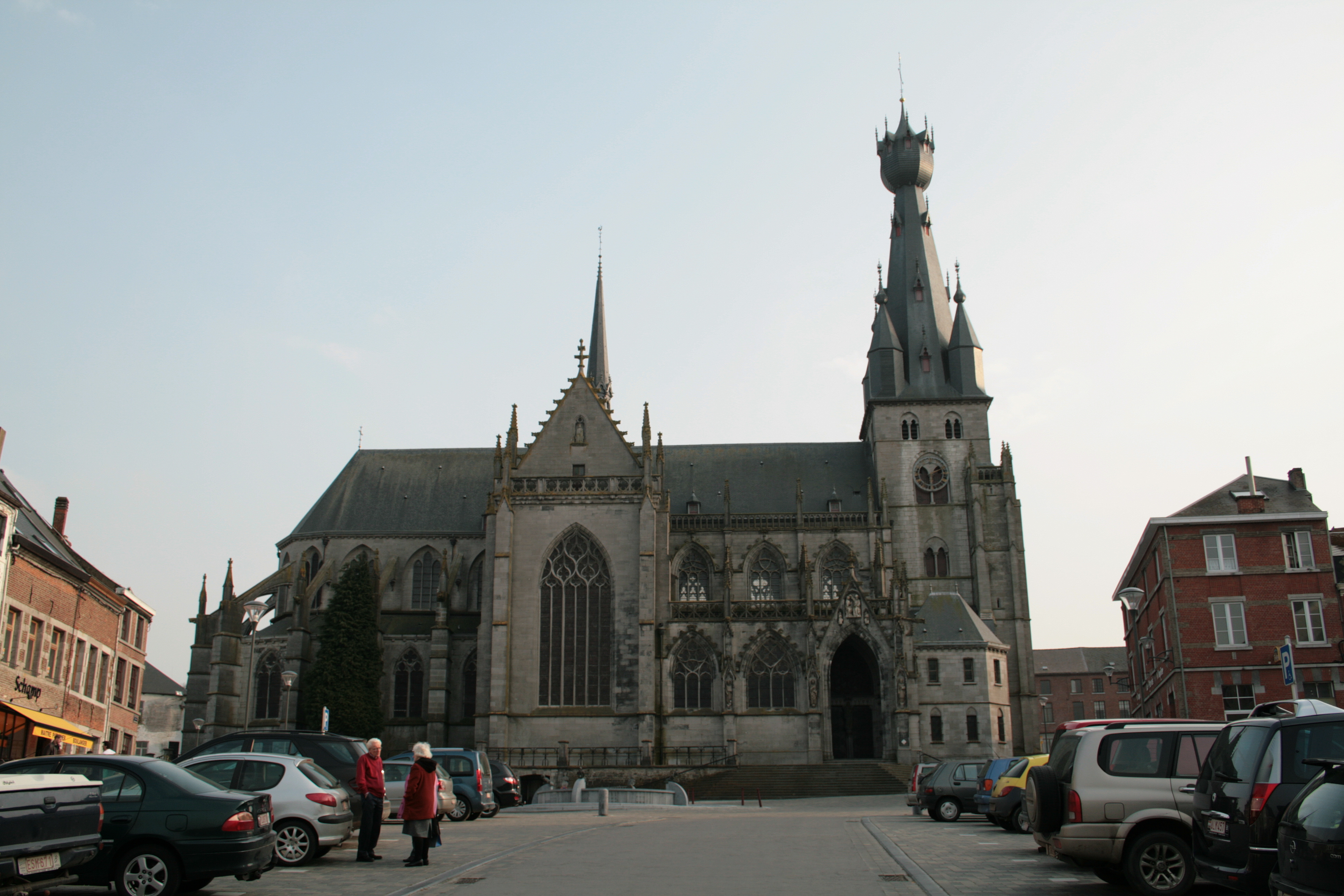
De Walcourt à Farciennes
Après Thierry II, son fils Gilles reçoit Walcourt et Rochefort. Un autre fils nommé Thierry devient selon Lahaye le chef d'une branche qui obtient par mariage Faverchinne - généralement identifiée à Farciennes - et la charge héréditaire de maréchal de Hainaut. La répétition du prénom Thierry explique les numérotations contradictoires.
Au XIVe siècle, les archives mentionnent Thierry de Walcourt, seigneur d'Aa et de Ligny et maréchal de Hainaut, ainsi qu'Henri, seigneur de Farciennes et époux de Mathilde de Hellebeke. En 1336, Thierry figure parmi les chevaliers condamnés à un pèlerinage expiatoire après le « forfait » de la demoiselle de Gaasbeek. La branche principale conserve Walcourt jusqu'en 1363, lorsque Wéry VI vend la seigneurie au comte Guillaume de Namur.
Le pont vers les Huwelet : une pièce manque encore
Mathilde de Namur → Wéry III de Walcourt → plusieurs Thierry → Henri de Walcourt dit de Faverchines → Thierry de Walcourt et Béatrice de Mons → Simon de Mons dit Huwelet → Huwelet → Pieret → Wauthy → Johnny Deman.
Les sources confirment les premières générations, la branche de Farciennes et l'existence d'Henri de Walcourt avec Mathilde de Hellebeke. Elles ne confirment pas encore le couple Thierry de Walcourt et Béatrice de Mons comme parents de Simon Huwelet. Une compilation moderne donne au fils d'Henri une autre épouse, Isabelle d'Ottignies, et une fille Marie. Il peut s'agir de deux Thierry, d'une confusion de générations ou d'une erreur recopiée entre arbres.
Conclusion documentaire : la maison de Walcourt et l'histoire de Wéry III et Thierry II sont solidement attestées. Le raccord exact vers Simon Huwelet, puis vers la lignée Wauthy de Johnny, reste une hypothèse de travail de niveau C. Il faut retrouver l'acte ou l'étude critique qui relie - ou sépare - Thierry de Walcourt, Béatrice de Mons et Simon Huwelet.