Un arc, une forêt, un shérif que l’on défie : quelques images suffisent pour reconnaître Robin des Bois. Mais lorsque Richard Cœur de Lion revient de croisade ou que Jean sans Terre cherche à prendre le pouvoir, la légende fait entrer sur scène des personnes qui appartiennent aussi à l’histoire familiale Deman–Lebon–Wauthy. Le rapprochement est saisissant. Il demande cependant de savoir à quel moment nous lisons une aventure, à quel moment nous rencontrons l’histoire, et à quel moment nous suivons une filiation.

L’aventure que nous avons en tête
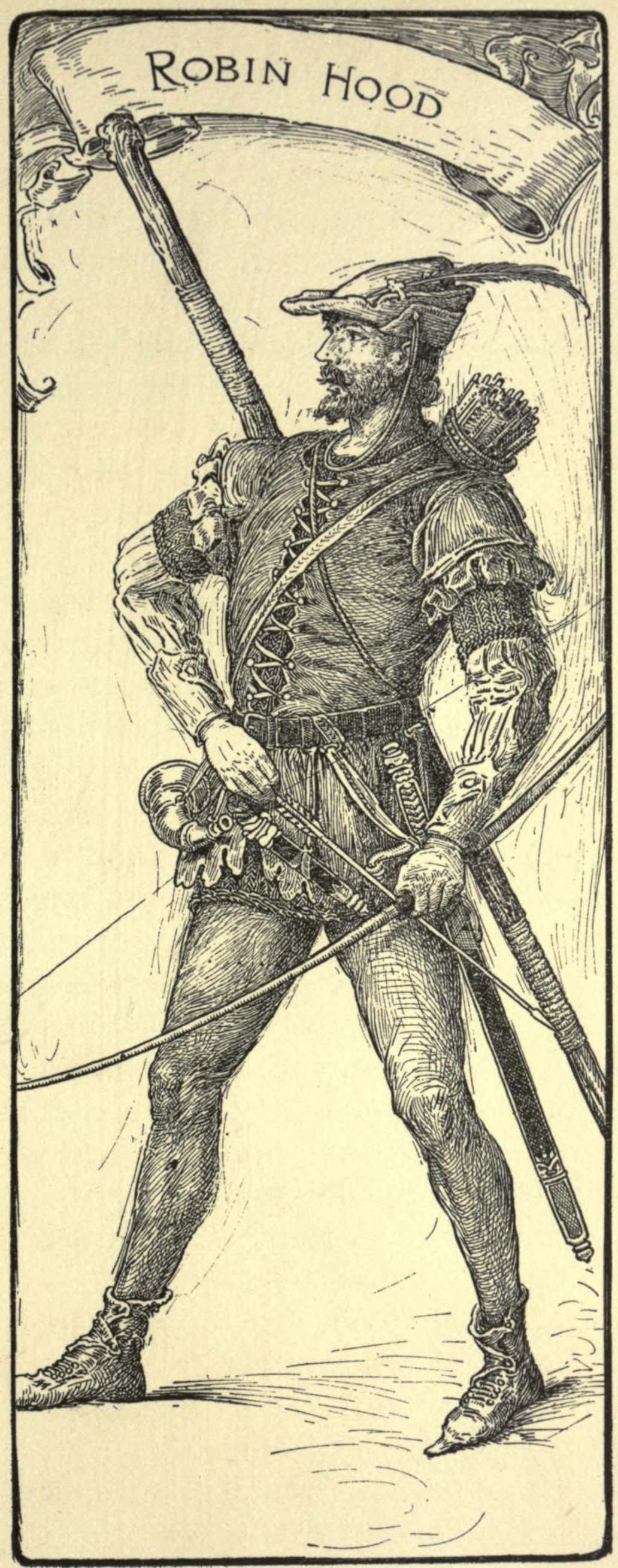
Dans la version devenue familière, Robin vit hors la loi dans la forêt de Sherwood. Il rassemble des compagnons, trompe les puissants et protège les plus faibles. Le shérif de Nottingham veut le capturer ; Marianne partage son destin ; Petit Jean et frère Tuck lui prêtent main-forte. Un concours de tir à l’arc peut servir de piège, un déguisement permet de passer un barrage, un prisonnier est arraché à la potence. La forêt devient le refuge de ceux que le pouvoir poursuit.
Beaucoup d’adaptations situent ces aventures pendant l’absence de Richard Ier, parti en croisade, et donnent à son frère Jean le rôle de l’usurpateur. Le retour du bon roi promet alors de rétablir la justice. C’est une trame de fiction, pas le compte rendu d’événements attestés. Il n’existe d’ailleurs pas une seule histoire originale dont toutes les autres seraient la copie : le personnage s’est constitué par additions, reprises et transformations.
Un héros plus ancien que son costume de cinéma
Vers 1377, Piers Plowman de William Langland mentionne déjà les récits de Robin. Les ballades conservées plus tard montrent un hors-la-loi parfois généreux, parfois brutal, très éloigné du héros toujours souriant. Dans A Gest of Robyn Hode, il aide notamment un chevalier endetté et rencontre un roi nommé Édouard. Barnsdale, dans le Yorkshire, compte autant que Sherwood dans les anciennes traditions. Rien ne permet de rabattre toutes ces histoires sur une seule biographie du XIIe siècle.
En 1521, John Major place Robin au temps de Richard et de Jean. À la fin du XVIe siècle, le théâtre d’Anthony Munday contribue à en faire un noble dépossédé. Les romans et les images, puis les films, renforcent cette silhouette. Le généreux archer que nous reconnaissons est ainsi l’héritier de plusieurs époques. Des archives contiennent des noms ressemblant à Robin Hood ; aucun de ces homonymes ne suffit à identifier avec certitude le héros.
Valerie B. Johnson · Valerie B. Johnson · A Gest of Robyn Hode
Qui est qui dans la forêt ?
Robin des Bois est le héros légendaire. Son identité historique reste non établie et aucune filiation avec notre famille n’est démontrée. Petit Jean est son compagnon, déjà important dans les anciens récits : il ne faut surtout pas le confondre avec Jean sans Terre. Le premier appartient à la bande des bois ; le second est un prince, puis un roi.
Marianne, ou Marian, est la compagne de Robin dans de nombreuses versions. Elle n’appartient pas au noyau des premières ballades conservées ; sa place s’est développée au fil des réécritures. Frère Tuck est le religieux associé à la bande, dont la personnalité joviale est elle aussi le produit d’une longue évolution. Will Scarlet et Much complètent le groupe dans les traditions anciennes. Aucun de ces compagnons n’est présenté ici comme un ancêtre.
Le shérif de Nottingham représente une fonction réelle d’autorité locale, mais le persécuteur de Robin est un personnage littéraire. On ne peut pas lui attribuer automatiquement l’identité d’un titulaire historique. Guy de Gisborne est un autre adversaire du cycle ; sa fonction varie selon les versions. Une figure de fiction peut donc porter un nom vraisemblable et occuper un poste réel sans devenir une personne identifiée.
Little John · Stephen Knight · Valerie B. Johnson · Sheriff of Nottingham · A Gest of Robyn Hode
Richard Cœur de Lion : le roi du récit, un parent de notre lignée
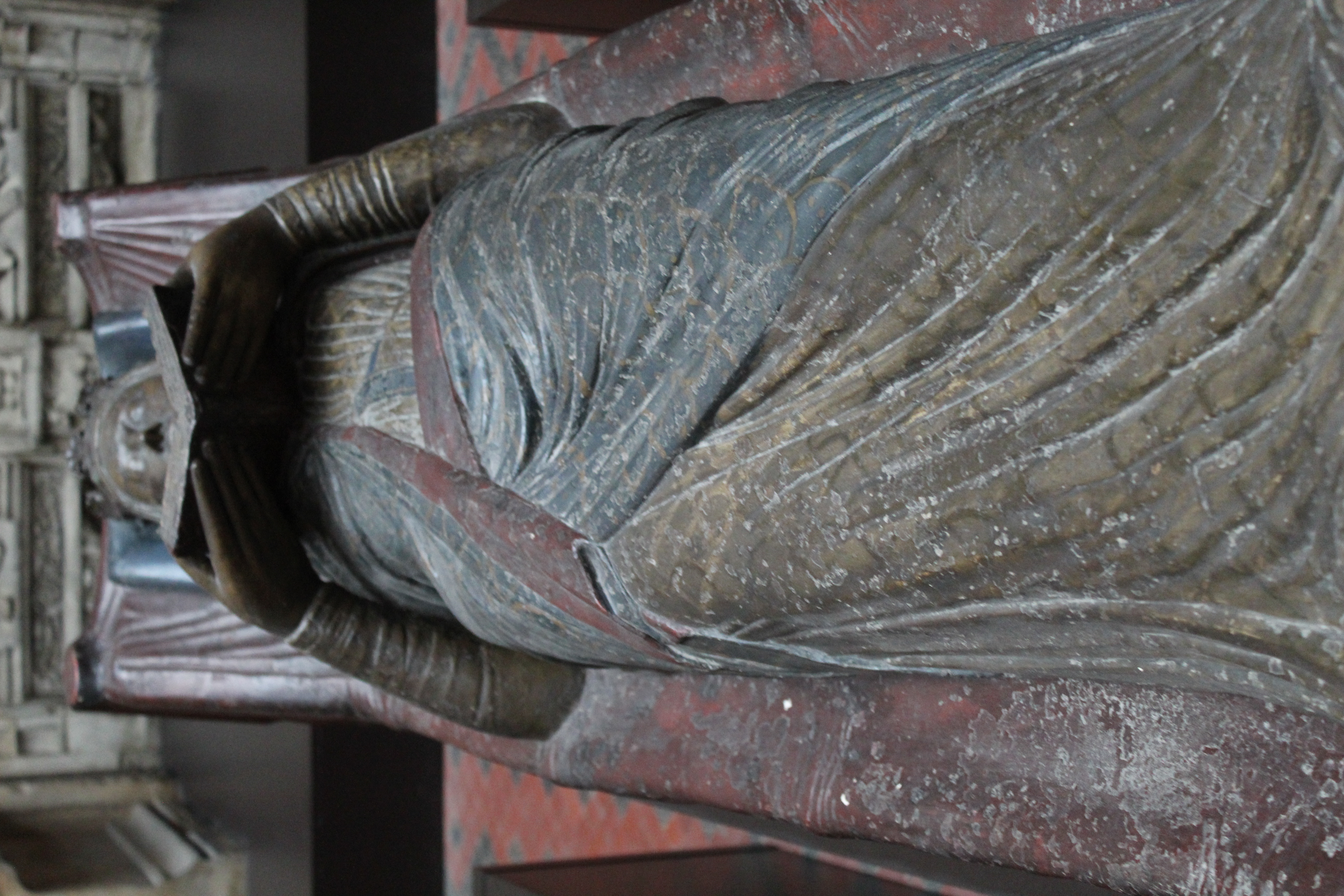
Richard Ier règne de 1189 à 1199. Il est le fils d’Henri II Plantagenêt et d’Aliénor d’Aquitaine, et le frère de Jean sans Terre. Parti pour la troisième croisade, il est retenu prisonnier sur le chemin du retour et ne retrouve la liberté qu’en 1194, après une lourde rançon. Cette absence offre aux conteurs une situation idéale : un souverain lointain, des rivalités et l’attente d’un retour.
Mais l’amitié de Richard avec Robin n’est pas un fait historique établi. Et le roi guerrier ne se réduit pas au justicier bienveillant des adaptations. Dans notre arbre, Richard est un parent collatéral : il est le frère de Jean et d’Aliénor d’Angleterre, par lesquels passent les branches présentées ici. Il n’est pas placé dans la ligne directe de Johnny.
Jean sans Terre : le mauvais prince est aussi un ancêtre
Jean, né en 1166 et mort en 1216, devient roi en 1199, après Richard. Pendant les années 1190, celles où beaucoup de versions installent Robin, il n’est donc pas encore le roi Jean. Cette distinction évite de mélanger l’absence de Richard avec le règne ultérieur de son frère.
Son règne connaît la perte de la Normandie, des conflits avec l’Église et une révolte des barons. En 1215, il accorde la Magna Carta, bientôt remise en cause, et le royaume plonge dans la guerre civile. Le personnage historique est un gouvernant actif et un souverain contesté, bien plus complexe que sa caricature. Jean figure dans l’ascendance confirmée du projet familial : être l’ancêtre d’une famille n’oblige ni à l’admirer ni à excuser ses actes.
Aliénor : la mère que les aventures laissent souvent hors champ
Aliénor d’Aquitaine, née vers 1122 et morte en 1204, fut reine de France auprès de Louis VII, puis reine d’Angleterre auprès d’Henri II. Richard et Jean sont deux de ses fils. Leur sœur Aliénor d’Angleterre épouse Alphonse VIII de Castille ; leur fille Blanche de Castille fera entrer cette descendance dans la maison royale française.
Aliénor d’Aquitaine joue un rôle politique majeur et intervient dans la libération de Richard. Dans cette histoire, elle est à la fois une actrice du monde réel et une ancêtre confirmée par l’arbre familial. Cela ne prouve aucune rencontre avec Robin. Henri II, son second mari et le père de cette fratrie, appartient également à la lignée présentée ; mort en 1189, il n’est plus vivant au moment du retour de Richard en 1194.

Deux chemins se retrouvent chez Marie d’Artois
La première route passe par la sœur de Richard et de Jean : Aliénor d’Aquitaine et Henri II ont pour fille Aliénor d’Angleterre ; viennent ensuite Blanche de Castille, Robert Ier d’Artois, Robert II d’Artois, puis Philippe d’Artois. L’autre route passe par Jean sans Terre, puis son fils Henri III, Béatrice d’Angleterre et Blanche de Bretagne. Philippe d’Artois épouse Blanche de Bretagne : leur fille Marie d’Artois réunit ces deux héritages.
Les deux Blanche ne sont donc pas la même personne. Blanche de Castille appartient à la route qui descend par la sœur de Jean ; Blanche de Bretagne à celle qui descend par Jean lui-même. Et Aliénor d’Aquitaine ne doit pas être confondue avec sa fille Aliénor d’Angleterre. Ces prénoms répétés expliquent bien des confusions quand on lit rapidement un arbre.
Les liens familiaux, en un regard
Aliénor d’Aquitaine × Henri II
Richard : frère des ancêtres, parent collatéral
- Aliénor d’Angleterre
- Blanche de Castille
- Robert Ier d’Artois
- Robert II d’Artois
- Philippe d’Artois
- Jean sans Terre
- Henri III d’Angleterre
- Béatrice d’Angleterre
- Blanche de Bretagne
Leur fille : Marie d’Artois
Puis Namur → La Hamaide → Jacquet → Wauthy → Paula → Annie → Carole, Johnny et Sandrine
Parcours confirmé dans l’arbre familial ; pièces du raccord La Hamaide–Jacquet à compléter. Les flèches après Namur résument plusieurs générations.
De Namur à la mémoire familiale
Marie d’Artois épouse Jean Ier de Namur. Le chemin retenu poursuit vers Guillaume Ier de Namur, Jean III, Jean de Namur dit de Trivières, Antoine, Philippe et Marie II de Namur, puis la branche de La Hamaide. Il rejoint ensuite les Jacquet et les Wauthy, jusqu’à Paula Wauthy, Annie Lebon et ses enfants Carole, Johnny et Sandrine Deman.
Ce parcours est retenu conformément à l’arbre confirmé par Johnny. Le détail documentaire du raccord de La Hamaide–de Becquevort–Jacquet reste à compléter : il faut conserver cette limite visible et ne pas inventer un parent pour remplir une case. Le schéma est une sélection de branches, pas un arbre exhaustif, et les groupes de noms de la partie récente résument plusieurs générations.
Nous ne descendons donc pas de Robin des Bois sur la foi de cette histoire. Nous retrouvons, dans le décor historique choisi par ses conteurs, des membres de notre ascendance et leur entourage. La légende nous offre une porte d’entrée ; la généalogie nous apprend ensuite à reconnaître les personnes. Derrière le prince détesté, le roi attendu et la reine souvent oubliée, une même famille apparaît — avec ses alliances, ses conflits et ses descendants.