Il est des vies que les archives résument en trois lignes : une naissance, un mariage, un décès. Jean-Marie Deman aurait ainsi pu n’être, dans un registre, qu’un homme né le 30 octobre 1947 à Ostende et mort soixante-six ans plus tard dans un village des Hautes-Pyrénées.
Entre ces deux dates, pourtant, il y eut une vie entière. Il y eut la mer du Nord, les routes de Belgique, le charbon, les camions, les autobus, les chiens noirs, les pigeons voyageurs, les concours, les conseils donnés aux autres, les enfants élevés et cette obstination particulière des hommes qui préfèrent agir plutôt que parler.
Et puis il y eut un petit pont de bois, un chien en difficulté et un torrent devenu fou. Pour comprendre la dernière décision de Jean-Marie, il faut remonter bien avant cette soirée du vendredi 13 juin 2014. Il faut revenir à Ostende.
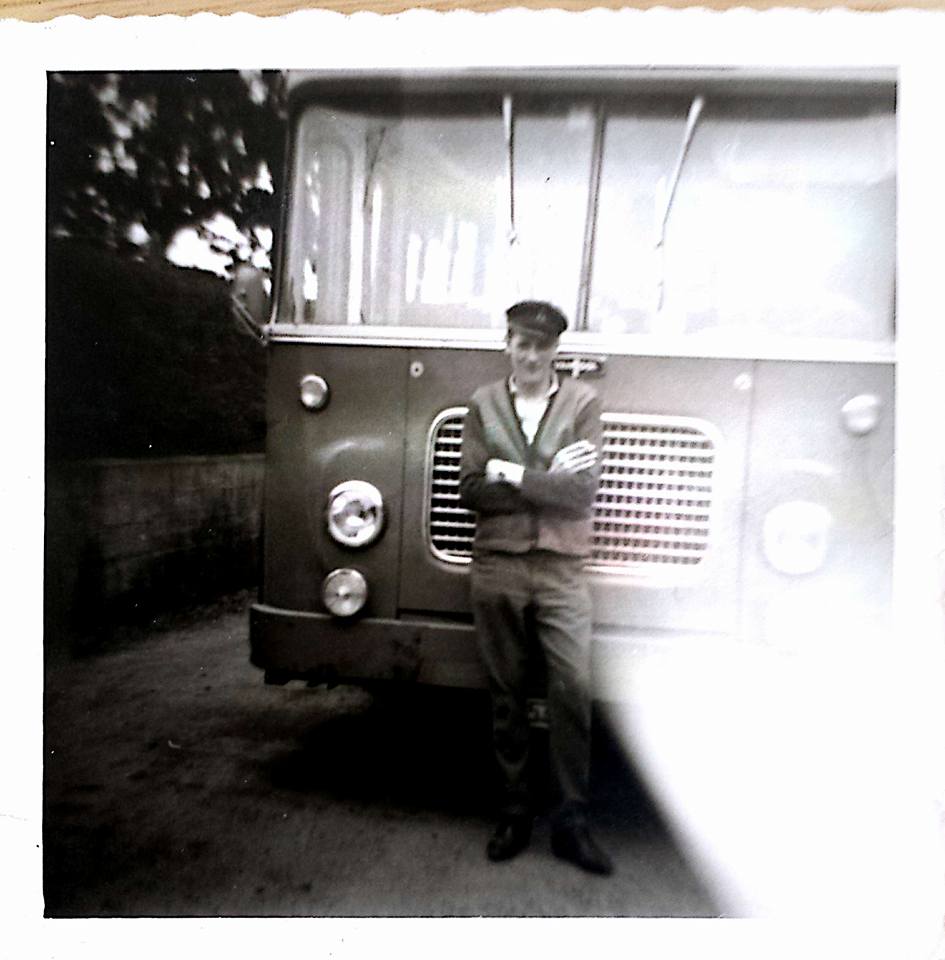
Un enfant de la côte
Jean-Marie Michel Deman naît à Ostende le 30 octobre 1947. Sa mère est Odette Elisa Emiel Deman. Le père n’aurait pas été reconnu à l’état civil selon la mémoire familiale ; l’acte original doit encore être joint au dossier.
Son père biologique est retenu dans le projet comme Michel Marcel Léopold Borny. Cette paternité repose sur l’aveu direct que Michel Marcel fit à son fils Jean-Marie au sujet de sa relation avec Odette. Elle constitue une confirmation familiale forte, mais elle ne doit pas être transformée en reconnaissance juridique inexistante : l’acte civil ou une éventuelle comparaison génétique resteraient des pièces documentaires complémentaires.
La situation familiale était délicate. Michel Marcel avait épousé Jeanne Hortensia Lexhardé, mère d’Odette et veuve d’Aimé Deman. Odette était donc sa belle-fille. Elle n’a jamais voulu parler de cette relation. Son silence est conservé avec respect ; il n’annule pas la parole directement transmise par Michel Marcel à Jean-Marie.
Jean-Marie grandit avec le nom Deman, celui de sa mère, au croisement de deux histoires flamandes populaires. Les Deman sont liés aux terres basses de Woumen, Keiem et Mannekensvere. Les Borny appartiennent au monde de Klemskerke, des champs, du moulin et du littoral de Vosseslag.
Apprendre à se débrouiller
Les documents ne racontent pas chaque année de son enfance. Les souvenirs familiaux conservent surtout un tempérament : un homme robuste, manuel et débrouillard, capable de réparer, d’aménager, de comprendre une mécanique et de chercher une solution là où les autres ne voyaient qu’un problème.
Plusieurs métiers sont rapportés : travail en usine, livraison de charbon, conduite de camions, puis surtout conduite d’autobus ou d’autocars. Ces étapes doivent encore être documentées par des contrats, photographies, archives d’employeurs ou témoignages datés.
La route devint son domaine. Conduire un véhicule lourd exige de prévoir les réactions des autres, de sentir la machine, de surveiller la chaussée et de rester maître d’un poids considérable. Cette attention et cette capacité d’observation se retrouvent dans les autres passions de Jean-Marie.
Lorsqu’un sujet l’intéressait, il observait, expérimentait et finissait par en savoir assez pour que les autres viennent lui demander conseil.
Les chiens noirs
Jean-Marie s’intéressa particulièrement aux bergers belges Groenendaels. Le dossier familial le présente comme éleveur et dresseur. Un de ses chiens aurait été champion de Belgique au début des années 1970. Un descendant de l’élevage aurait été vendu à l’entourage de celui qui deviendrait le roi Juan Carlos d’Espagne.
Ces souvenirs sont précis et cohérents, mais les pedigrees, catalogues et résultats de concours n’ont pas encore été retrouvés. Ils restent donc des traditions familiales à documenter, non des palmarès officiellement démontrés.
Jean-Marie aurait également travaillé comme homme d’attaque dans le dressage canin, possiblement avec une distinction belge vers 1981–1982. L’expression ne désigne pas un homme lancé gratuitement contre un chien : protégé par un équipement adapté, il participe à un exercice réglé où comptent l’obéissance, le courage, la maîtrise et la précision.
Les chiens n’étaient pas de simples animaux déposés dans un jardin. Ils faisaient partie de son univers et dépendaient de lui. Cette responsabilité éclaire, sans la transformer en légende, sa tentative de porter secours à son chien pendant la crue de 2014.
Le peuple du ciel
Jean-Marie fut aussi colombophile. Les souvenirs le situent dans les sociétés ou locaux de Pont-à-Celles, Fleurus et Saint-Amand, sous les appellations « Deman Jean-Marie » et parfois « Deman et Fils ».
La mémoire familiale évoque des premiers prix locaux et surtout une réputation d’homme expérimenté dont les conseils étaient écoutés. Aucun relevé chiffré complet n’est aujourd’hui annexé. Les bulletins colombophiles, feuilles de résultats, cartes de membre, bagues et carnets de colombier restent à rechercher.
La colombophilie exige une observation quotidienne : les lignées, l’état physique, l’alimentation, l’entraînement, les vents et la volonté de rentrer. Le pigeon et le chien semblent appartenir à deux mondes différents. Ils demandent pourtant au maître les mêmes qualités : patience, constance, attention aux signes minuscules et respect de l’animal.
Annie, Carole, Johnny et Sandrine
Jean-Marie épouse Annie Lebon, née à Marbais en 1953. Ils ont trois enfants : Carole, née en 1970 à Charleroi ; Johnny, né en 1972 à Nivelles ; et Sandrine, née en 1982 à Nivelles.
Dans le récit familial, Jean-Marie apparaît comme un mari, un père, un travailleur et le centre d’un monde où se mêlent les routes, les animaux et les projets. Comme beaucoup d’hommes de sa génération, il n’exprimait peut-être pas tout par de longs discours. Une partie de ce qu’il était passait par le travail, les réparations, les conseils et la volonté de résoudre lui-même ce qui semblait impossible.
Le vendredi 13 juin 2014
Jean-Marie et Annie disposaient d’une propriété au hameau de Soulagnets, sur la commune de Bagnères-de-Bigorre. Un petit cours d’eau bordait le terrain et une passerelle de bois permettait de le franchir.
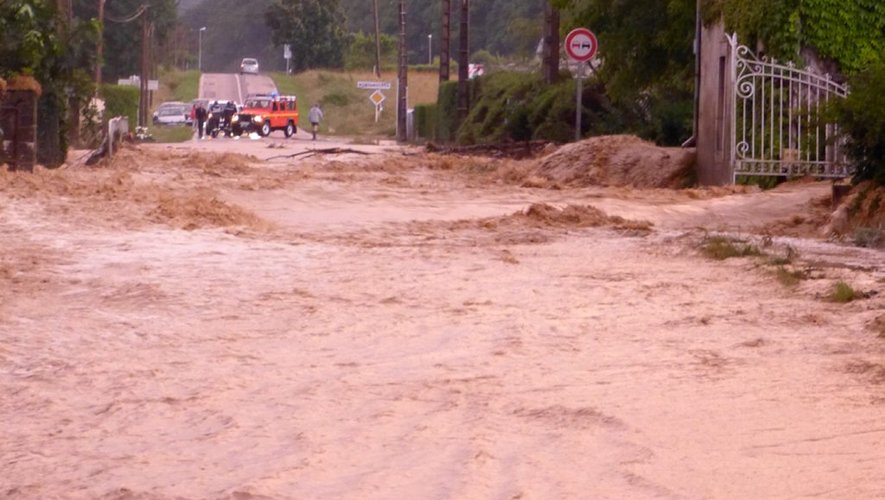
Le vendredi 13 juin 2014, le ciel resta sombre sur les montagnes avant de se dégrader brutalement en début de soirée. Les sols, déjà gorgés d’eau, ne purent absorber les pluies. Les cours d’eau gonflèrent rapidement, des routes furent coupées et des torrents de boue traversèrent les villages.
Vers 21 heures, Jean-Marie voulut porter secours à son chien en difficulté près de l’eau. Le petit pont ou la passerelle de bois situé à l’intérieur de la propriété fut emporté par la crue. Les deux articles contemporains parlent de son épouse ou de sa compagne et de voisins tentant de lui porter secours, notamment avec une corde, sans parvenir à le sauver.
Son corps fut retrouvé le samedi matin 14 juin, pris dans des branchages en aval, sur le territoire de Germs-sur-l’Oussouet. Il faut donc distinguer deux dates : la mort réelle, survenue le 13 juin, et la découverte du corps ainsi que la déclaration officielle du décès, le 14 juin.
Les journaux lui attribuèrent 69 ans. Cette indication est incompatible avec la naissance du 30 octobre 1947 : Jean-Marie avait 66 ans. L’âge publié est conservé comme une erreur de presse en attendant l’ajout de l’acte de naissance au dossier.
La compilation familiale nomme le chien Flic. Les articles de presse parlent seulement de « son chien » et ne donnent aucun nom. Flic reste donc une information familiale cohérente, non confirmée par les journaux.
Ce que l’enquête établit — et ce qu’elle cherche encore
Les deux articles de presse confirment le lieu, l’horaire approximatif, la passerelle emportée, la tentative de secours au chien et la découverte du corps le lendemain. Ils constituent un appui documentaire solide pour les circonstances de la mort.
Les métiers successifs, les activités cynophiles, les palmarès, la vente supposée d’un chien à Juan Carlos et les résultats colombophiles appartiennent encore principalement à la mémoire familiale. Ils ne doivent pas être effacés pour autant : ils indiquent exactement où chercher.
Jean-Marie ne doit pas être réduit au drame de sa mort. L’enquête fait apparaître un travailleur, un conducteur, un bricoleur, un homme de chiens, un colombophile, un conseiller respecté et un père de famille. Sa dernière décision appartient à cette vie, mais elle ne la résume pas toute.
Une généalogie ne sert pas seulement à relier des noms par des traits. Elle sert aussi à rendre aux personnes leur voix, leurs gestes, leurs contradictions et le poids véritable de leur passage.