Pendant longtemps, deux dates se faisaient face dans les arbres : le 21 juillet 1813, mort de Jean Joseph Lexhardé ; le 16 octobre, naissance de son fils homonyme. Exactement 87 jours les séparaient. Les relevés rendaient l’histoire probable. Les images du registre de Polleur permettent aujourd’hui de la prouver.
Le document qui change l’histoire
Le premier acte est dressé le 21 juillet à six heures du soir. Deux voisins déclarent que Jean Joseph Xhardé, âgé de 56 ans, manœuvre, domicilié à Polleur et époux de Marie Augustine Leloup, est mort chez lui le même jour à cinq heures du matin.
Le 16 octobre à neuf heures du soir, Angélique Hubert, sage-femme de 60 ans, présente un garçon né à quatre heures du matin dans la maison d’Augustine Leloup. L’enfant reçoit les prénoms Jean Joseph. Puis vient la formule décisive : sa mère est dite « fileuse, demeurant audit Polleur, veuve de Jean Joseph Lexhardé, en son vivant manouvrier demeurant audit Polleur ».
Polleur, et non Aywaille
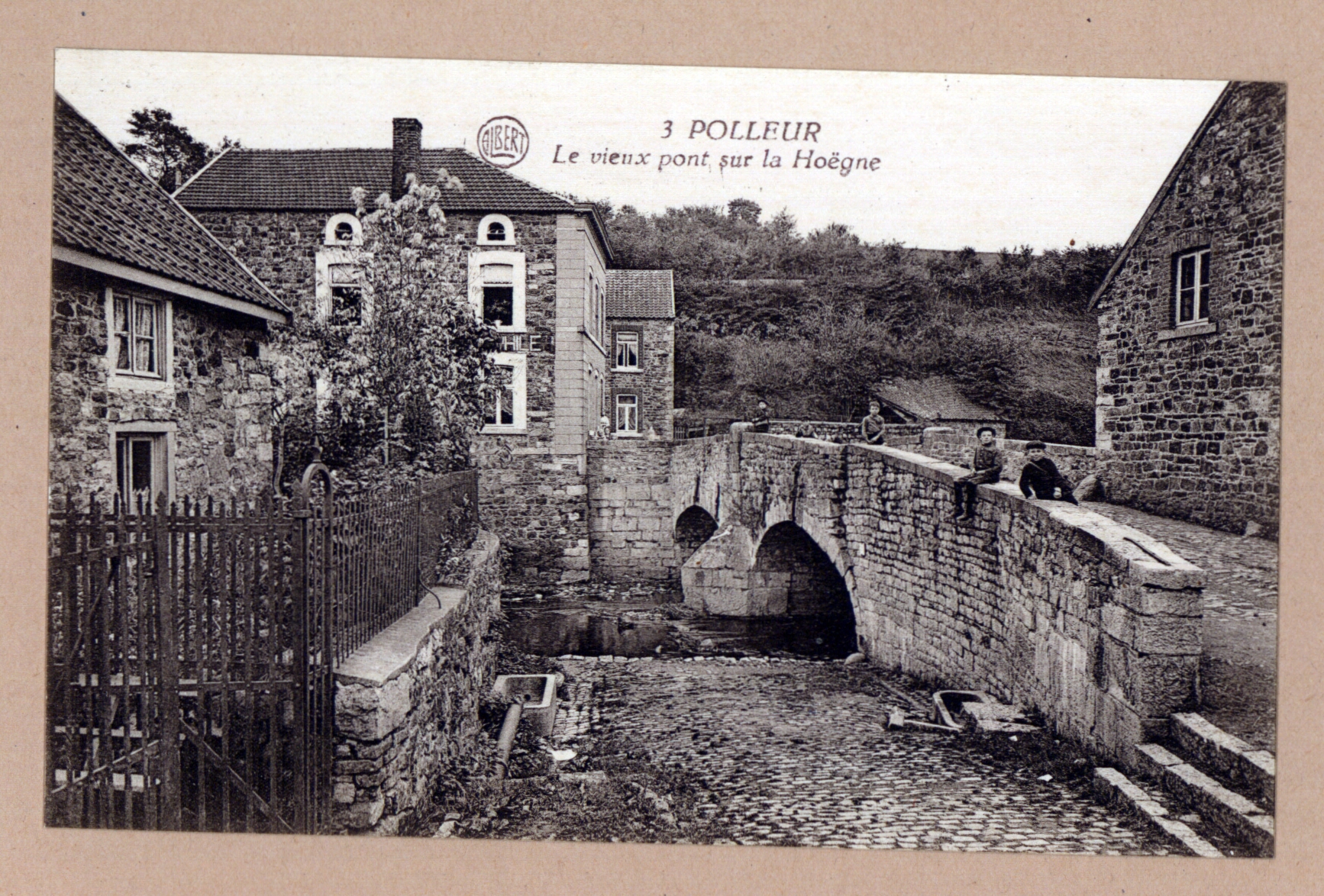
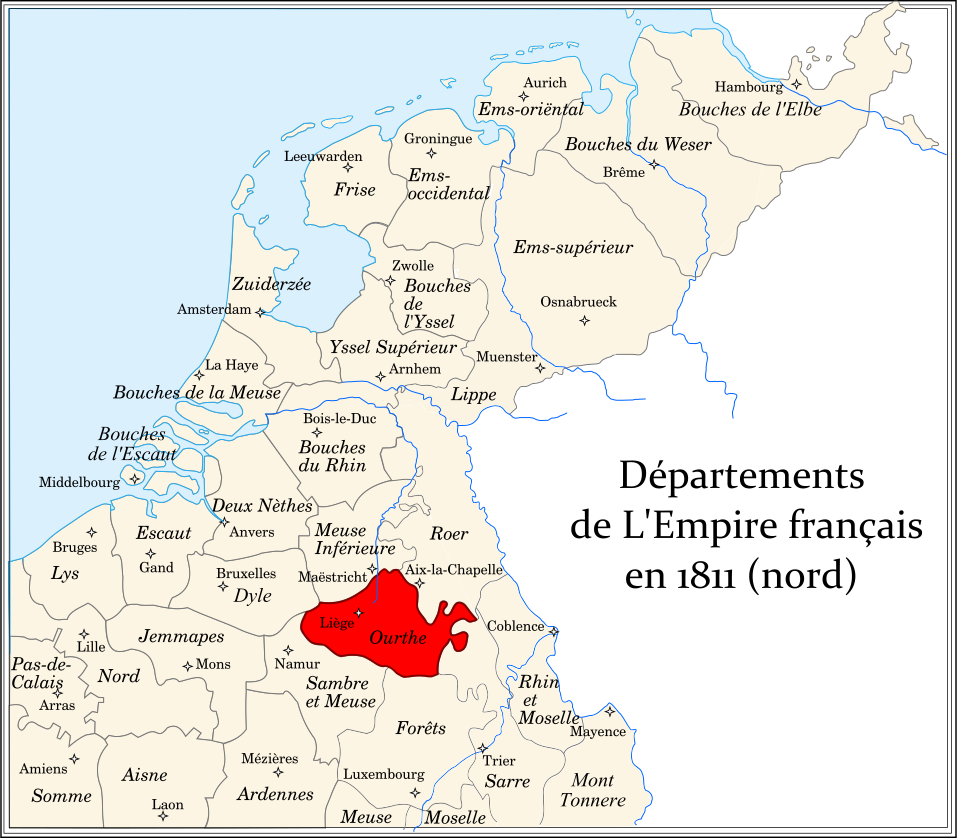
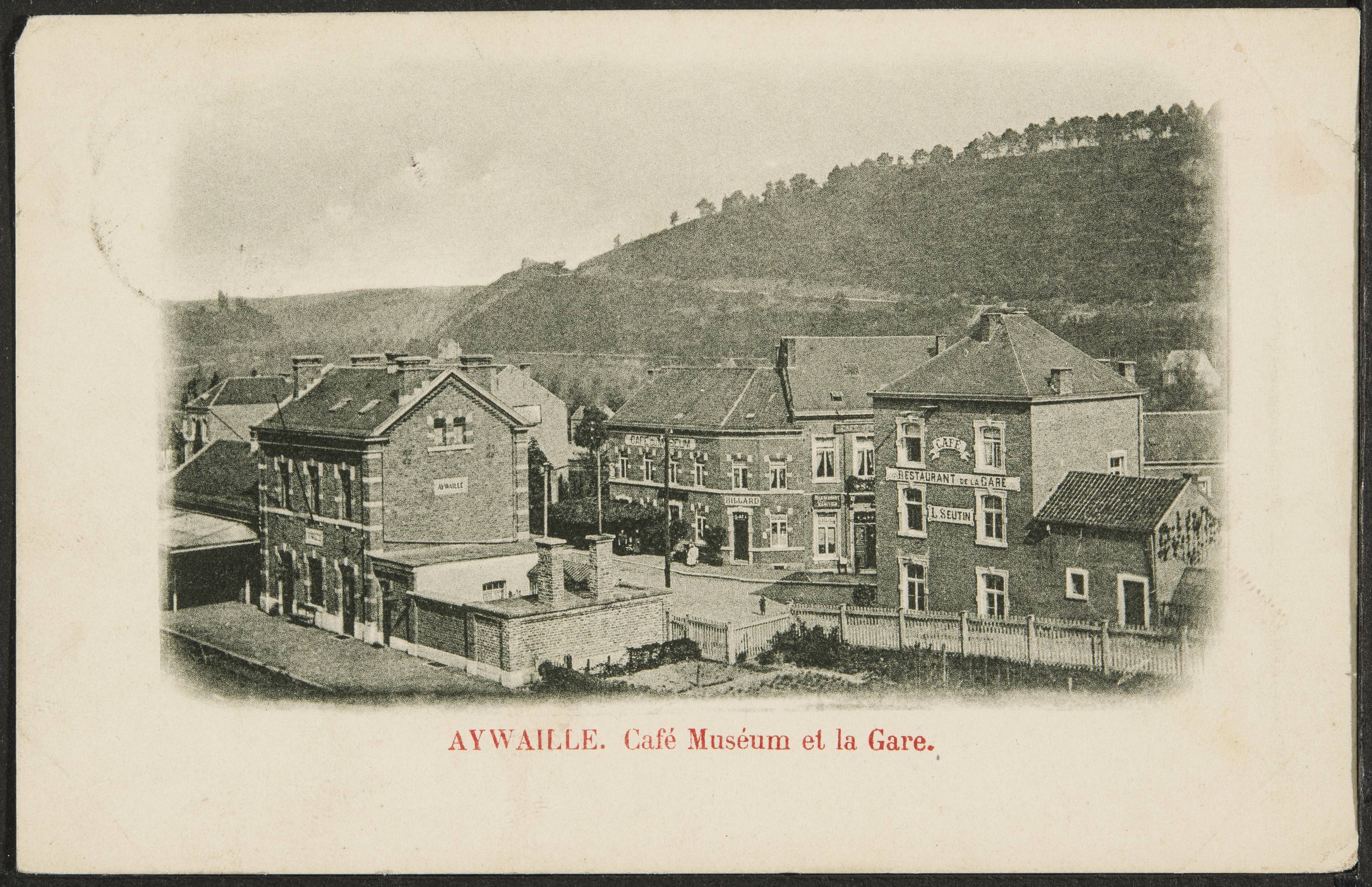
Une recherche secondaire situait les deux événements à Aywaille. Les actes les enregistrent et les situent à Polleur, alors commune du canton de Spa dans le département français de l’Ourthe. Aywaille demeure lié à la famille par Dieupart, Septroux et la vie ultérieure du fils, mais il n’est pas le lieu des deux événements de 1813.
Le patronyme varie : Xhardé dans le décès, Lexhardé dans la naissance. Cette mobilité fait partie du dossier. Les formes Le Xhardé, Xhardé, Lexhardé, Hardé et Le Hardé doivent être recherchées sans être automatiquement fusionnées.
Un manœuvre, une fileuse, quatre enfants
Les actes donnent deux métiers : Jean Joseph est manœuvre et Augustine fileuse. Rien ne permet d’attribuer au père le métier de tailleur de pierres, documenté seulement comme piste pour des descendants. Une éventuelle fonction de conseiller municipal d’Aywaille reste elle aussi non prouvée.
Le relevé du mariage du 20 septembre 1806 présente Jean Joseph comme fils d’Antoine Le Xhardé et d’Élisabeth Ladneux, veuf de Marie Barbe Couturier. Anne Marie Auguste Leloup y est dite fille de Lambert Leloup et d’Anne Marie Havelange. Cette filiation reste de niveau C jusqu’à la lecture de l’acte.
Quatre enfants sont indexés à Polleur : Marie Anne, née en 1807 et morte en 1811 ; Marie Élisabeth, née en 1809 et morte en 1810 ; Antoine Joseph, né en 1811 ; et Jean Joseph, né en 1813. Seul ce dernier acte a maintenant été lu. Les trois premiers doivent encore être contrôlés.
La veuve après 1813
Une pièce du dossier matrimonial de Lorcé de 1839 fournit un autre original précieux. L’image 155 sur 282 n’est pas l’acte de mariage du fils avec Marie Joseph Laffru, mais un extrait officiel du décès d’Anne Marie Augustine Leloup. Il établit sa mort à Septroux le 23 juin 1828 à huit heures du soir. Elle était alors épouse d’Antoine Brevers ; le certificat précise qu’elle était « veuve en premières noces de Jean Joseph Lexhardé ».
La date proposée du 30 juillet 1822 pour le mariage Leloup–Brevers reste à vérifier dans l’acte original. L’extrait de 1839 confirme néanmoins l’existence de cette seconde union dans les registres d’Aywaille.
Révolution, administration et prudence
Jean Joseph avait une trentaine d’années lors du Congrès de Polleur de 1789. Il vécut la fin de la principauté de Liège, l’annexion française et l’organisation du département de l’Ourthe. Ce cadre explique les actes civils de 1813 ; il ne prouve pas sa participation à la Révolution ni à la vie politique.
Les listes de notables, registres civiques, serments de fonctionnaires et élections du fonds de la Préfecture du département de l’Ourthe restent à dépouiller. Tant qu’aucune occurrence nominative n’est trouvée, le titre de conseiller municipal ne doit pas lui être attribué.
Noël, Thomas et la branche encore ouverte
À Theux, cinq baptêmes de 1717 à 1728 mentionnent un père Noël ou Noël Arnold Xhardé, mais les mères alternent entre Maillard, Maillart, Foyr et Foyre. Un simple remariage n’explique pas l’alternance. Deux homonymes, une erreur de transcription ou un double nom restent possibles.
Un relevé de la Cour de justice de Theux qualifie Thomas Xhardé de bourgmestre du Grand-Rechain le 3 novembre 1739. La référence est précise, mais aucun acte ne rattache Thomas ou Noël à Antoine Le Xhardé. Ils restent des personnes à étudier, pas des ancêtres ajoutés à l’arbre.
Ce qui est prouvé, ce qui reste à trouver
Les deux actes de 1813 ferment la question centrale : le fils est bien né après la mort de son père. Restent ouverts le baptême du père vers 1756–1757, le mariage de 1806, les actes des trois premiers enfants, le remariage de 1822, le mariage complet de Lorcé en 1839 et l’éventuelle fonction publique.
Cette histoire n’a pas besoin d’être embellie. Dans un registre de Polleur, deux pages suffisent : un homme meurt en juillet ; en octobre, son nom revient dans celui d’un enfant, porté devant l’officier par une sage-femme. Entre ces deux pages, 87 jours et une formule administrative ont rendu à la famille un fait oublié.