Il faut entrer dans l’abbaye de Villers-la-Ville un matin d’hiver. Il faut y entrer quand la brume demeure accrochée aux pierres, quand les arbres sont noirs, quand le vent traverse les grandes fenêtres sans vitraux de l’église abbatiale. Et il faut se taire.
Parce que sous cette herbe, sous ces dalles disjointes, sous les ruines que nous regardons aujourd’hui comme un décor romantique, il y eut autrefois des hommes qui priaient, des moines qui travaillaient, des princes qui gouvernaient… et des morts que l’on voulait arracher à l’oubli.
Parmi ces morts, il y eut un duc : Henri II de Brabant. Un homme qui régna sur le Brabant au cœur du treizième siècle et qui choisit Villers pour y déposer son corps. Son tombeau a disparu. Ses os eux-mêmes ne sont plus identifiables. Mais son choix demeure.
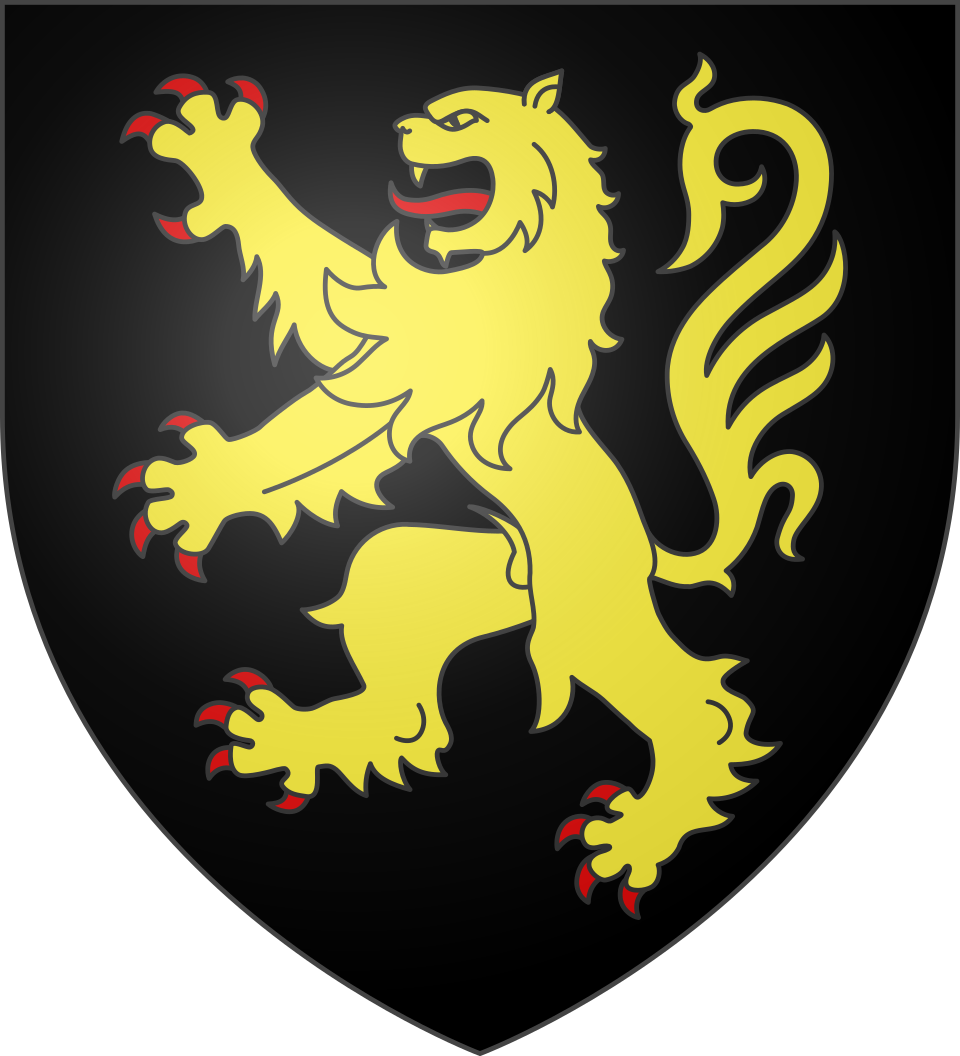
Henri naît en 1207. Il est le fils d’Henri Ier, duc de Brabant, et de Mathilde de Boulogne. Son père est un grand prince féodal, énergique et ambitieux, toujours prêt à guerroyer pour agrandir son influence entre la France, l’Empire germanique, la principauté de Liège et les riches villes marchandes des Pays-Bas.
Le Brabant n’est pas encore la province tranquille que nous imaginons aujourd’hui. C’est un territoire en construction et un territoire disputé. Louvain, Bruxelles, Nivelles, Tirlemont et Anvers grandissent, commercent, frappent monnaie et réclament des libertés. Les marchands veulent circuler. Les princes veulent taxer. Les seigneurs veulent conserver leurs privilèges. Les évêques veulent étendre leur pouvoir.
Au-dessus de tout cela se trouve le Saint-Empire romain germanique : immense, compliqué, sans véritable capitale, gouverné par des souverains que les princes élisent et contestent presque aussitôt.
Henri II grandit dans ce monde. L’enfance d’un fils de duc n’est pas une enfance libre : c’est une préparation. On ne lui demande pas ce qu’il aime. On lui demande ce qu’il représentera.
À peine né, Henri est promis à Marie de Souabe, fille de Philippe de Souabe, roi des Romains, et d’Irène Ange, princesse byzantine et fille de l’empereur Isaac II Ange. Le mariage n’est pas seulement une histoire privée. C’est une frontière que l’on déplace sans tirer l’épée. Dans le sang de leurs enfants se mêleront le Brabant, l’Allemagne impériale et l’ancien monde de Constantinople.
Henri lui-même est donné plusieurs fois en otage par son père pour garantir une promesse, un traité ou une dette. Il apprend très tôt qu’un prince ne s’appartient pas. À partir de 1221, il apparaît dans les chartes aux côtés de son père. En 1226, il est armé chevalier. Deux ans plus tard, il participe à une campagne contre l’archevêque de Cologne.
Treize années pour construire un territoire
En 1235, Henri Ier meurt. Henri II devient duc de Brabant et de Lothier, comte de Louvain et maître d’un ensemble de terres qui s’étend et s’affermit, mais demeure fragile. Son règne ne durera que treize années.
Il se trouve presque immédiatement entraîné dans les conflits de la principauté de Liège. Le Brabant veut accéder aux routes commerciales menant vers Maastricht, Aix-la-Chapelle et Cologne. Derrière les grands mots — Dieu, le droit féodal, l’honneur — il y a souvent une route, un pont, un péage et une taxe.
Henri intervient dans les guerres opposant l’évêque de Liège à la maison de Limbourg, puis cherche à peser sur l’élection du successeur de l’évêque. Le conflit se prolonge jusqu’en 1243. Durant ces mêmes années, il prend progressivement possession du comté de Dalhem, qui ouvre au Brabant un passage vers la Meuse et les régions orientales.
Henri ne fait donc pas seulement la guerre pour la gloire. Il construit un État féodal, morcelé et dominé par les puissants, mais un État tout de même. Il rattache des terres, contrôle des passages et fait reconnaître le titre ducal dans les actes et sur les sceaux.
Quand les villes imposent la négociation
Pendant qu’Henri combat et négocie, les villes deviennent puissantes. Bruxelles s’enrichit, Louvain s’affirme, les métiers s’organisent et les marchands prêtent de l’argent aux princes. Le duc possède les armes, mais les villes possèdent de plus en plus les ressources sans lesquelles les armes ne peuvent partir en campagne.
Henri II reste un prince féodal. Il ne faut pas inventer un démocrate du treizième siècle. Mais il comprend que l’autorité ne peut plus reposer uniquement sur la force. Il faut négocier et garantir certains droits.
Quelques jours avant sa mort, le 22 janvier 1248, Henri fait rédiger son testament. Ce document est aussi un acte politique. Il veut assurer la succession de son fils, le futur Henri III. Lorsqu’un prince meurt en laissant un jeune héritier, les grands seigneurs se rapprochent immédiatement du berceau. Ils jurent fidélité — et pendant qu’ils jurent, ils calculent.
Henri accorde alors à ses sujets des garanties générales et une plus grande sécurité juridique. Le texte n’est pas encore une constitution moderne. Il représente néanmoins une étape importante : le prince reconnaît que son pouvoir n’est pas entièrement sans limites.
Les libertés politiques ne naissent pas toujours d’un élan de bonté. Elles naissent aussi d’un rapport de forces. Ce qui compte, c’est que la promesse soit écrite.
Le duc qui choisit Villers
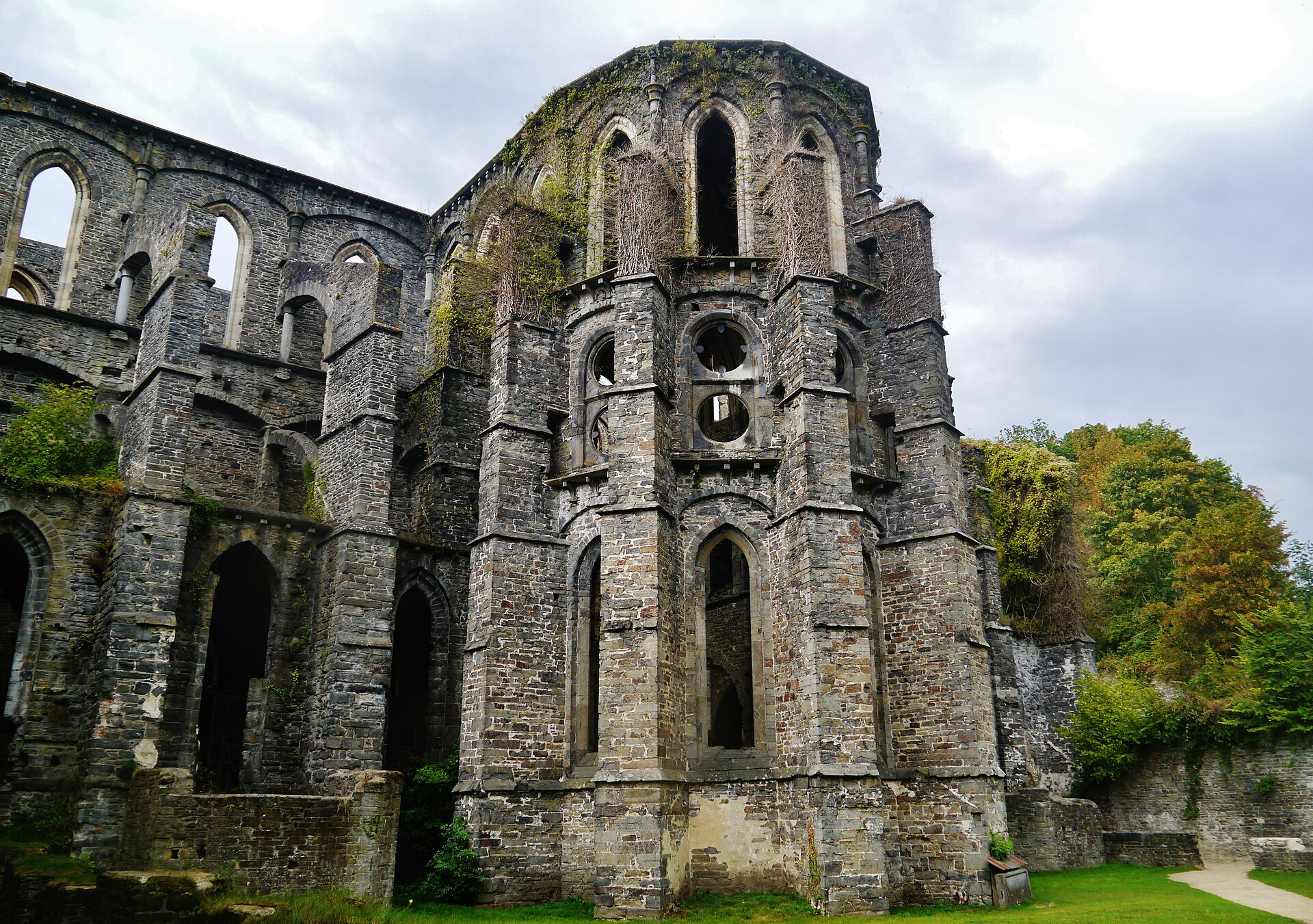
Henri II meurt à Louvain le 1er février 1248, environ dix jours après la rédaction de son testament. Il a près de quarante et un ans. Son corps est transporté vers Villers.
L’abbaye avait été fondée en 1146 à l’initiative de Gauthier de Marbais et de sa mère Judith, qui avaient invité des moines venus de Clairvaux. Au cours du treizième siècle, Villers devient l’un des grands centres cisterciens du Brabant. Une immense église gothique s’élève, les bâtiments conventuels se développent et la communauté gagne un prestige considérable.
Les puissants ont besoin des moines. Ils ont besoin de leurs prières et d’une communauté qui continue à prononcer leur nom après leur mort. Un prince peut posséder des châteaux, des armées et des coffres remplis d’argent ; devant la mort, il redevient un homme inquiet.
Henri II est enseveli dans le chœur de l’église abbatiale, près de l’autel. Sa seconde épouse, Sophie de Thuringe, le rejoindra plus tard dans le mausolée. Sophie est la fille de Louis IV de Thuringe et d’Élisabeth de Hongrie, grande figure religieuse du Moyen Âge.
Par son premier mariage avec Marie de Souabe, Henri est notamment le père d’Henri III, qui lui succède en Brabant, de Mathilde de Brabant et de Béatrice. Par Sophie, il a un fils également nommé Henri, futur premier landgrave de Hesse. Sa descendance se répand dans les grandes maisons européennes.
Un tombeau disparu, une histoire demeurée
L’inhumation du duc donne à Villers le prestige d’une nécropole ducale. D’autres grands personnages souhaitent y être enterrés. Plus tard, Jean III de Brabant et son épouse Marie d’Évreux y recevront également une sépulture.
Mais les tombeaux n’ont pas survécu. À la fin du dix-huitième siècle, la Révolution emporte l’ancien monde. L’abbaye est supprimée, vendue et exploitée comme carrière de pierres. Les mausolées sont brisés, les métaux récupérés, les statues dispersées et les noms s’effacent.
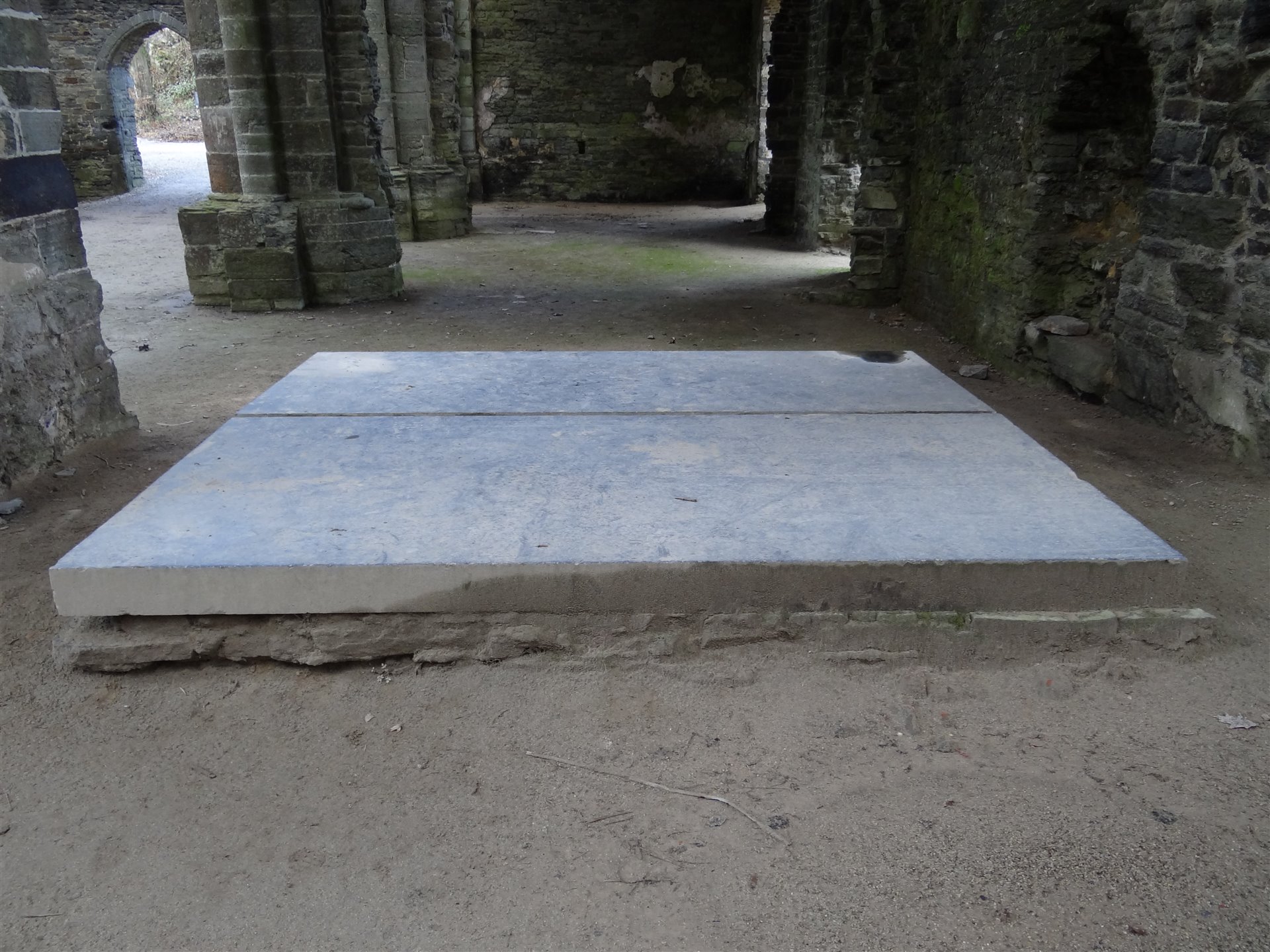
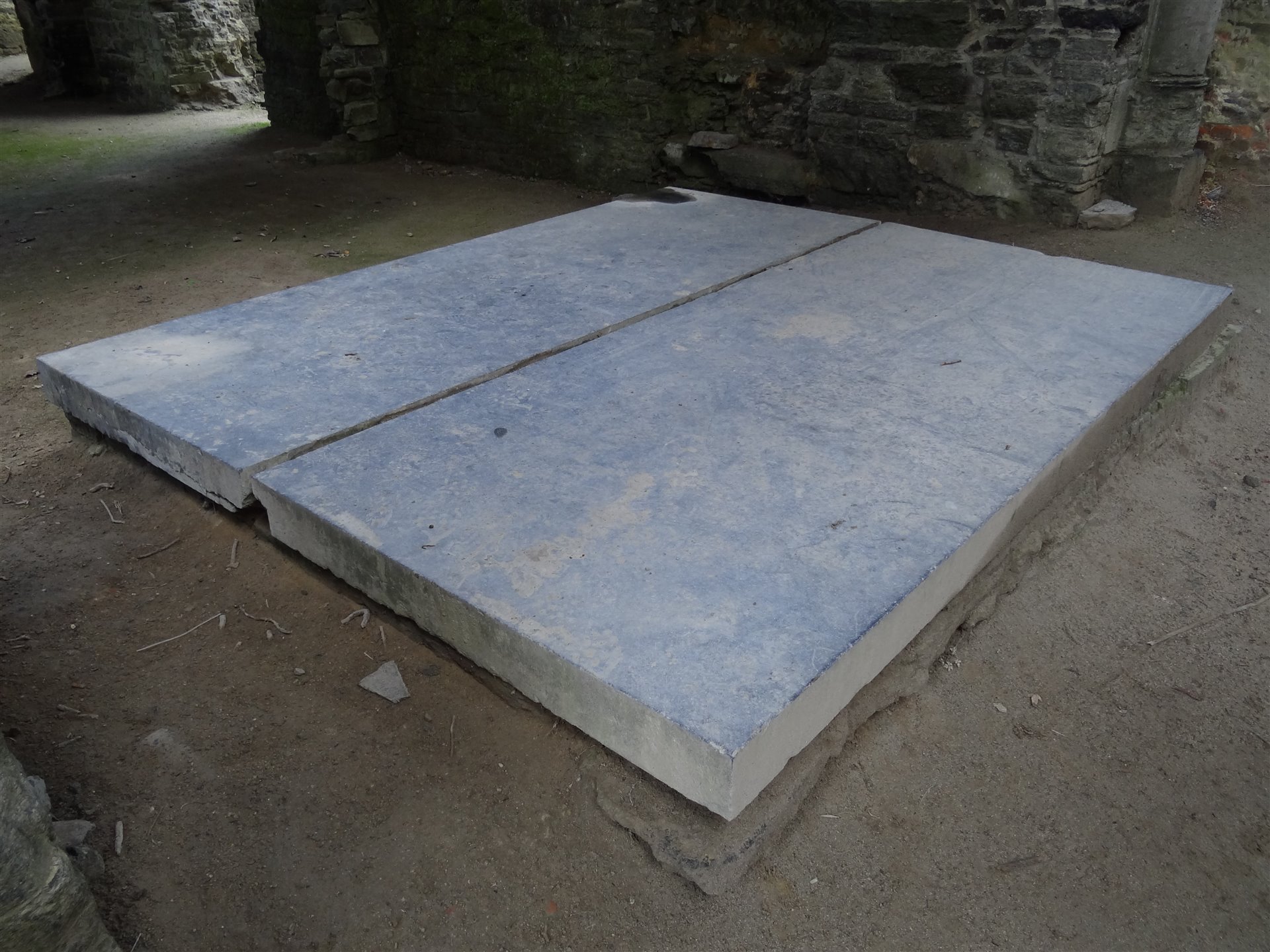
Nous ne conservons aujourd’hui rien du monument funéraire d’Henri II et de Sophie de Thuringe. Pas un visage. Pas un gisant intact. Pas une inscription complète devant laquelle nous pourrions nous recueillir. Pourtant, lorsque nous marchons dans le chœur de l’abbatiale, nous marchons dans leur tombeau disparu.
Un homme passe sa vie à construire son pouvoir. Il rassemble des terres, conclut des alliances, marie ses enfants, affronte des évêques, contrôle des routes et fait graver son titre sur des sceaux. Puis, à quarante et un ans, il comprend que tout cela continuera sans lui.
Les armées ont disparu. Les frontières qu’il défendait ont changé cent fois. Son tombeau lui-même a été détruit. Mais les pierres de Villers sont toujours là.
Lorsque vous visiterez Villers-la-Ville, arrêtez-vous dans le chœur de l’église. Regardez les fenêtres ouvertes sur le ciel. Écoutez le vent. Et souvenez-vous qu’ici reposa Henri II de Brabant. Son tombeau n’existe plus, mais son histoire demeure enfermée dans les ruines.
Statut généalogique du projet : Henri II de Brabant est retenu comme ancêtre direct dans l’arbre confirmé par Johnny. Le chemin doit rester présenté génération par génération avec les références correspondantes ; une donnée d’arbre n’est pas, à elle seule, un acte original.