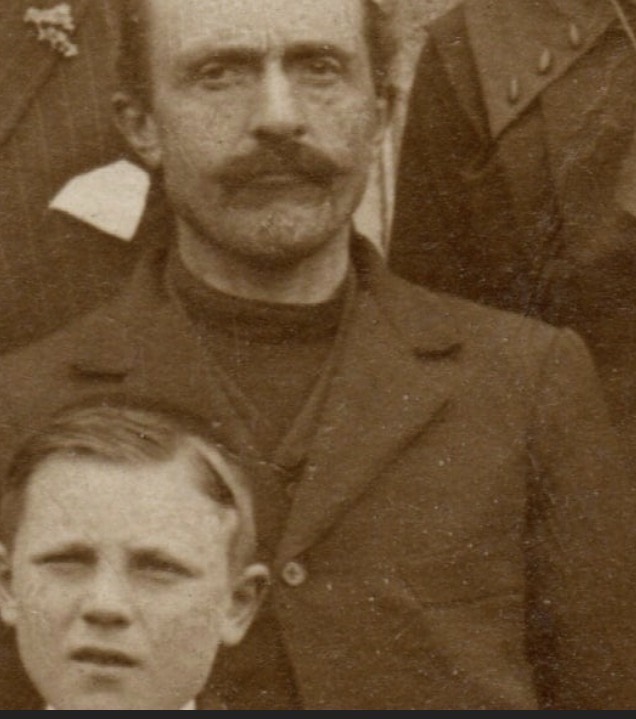
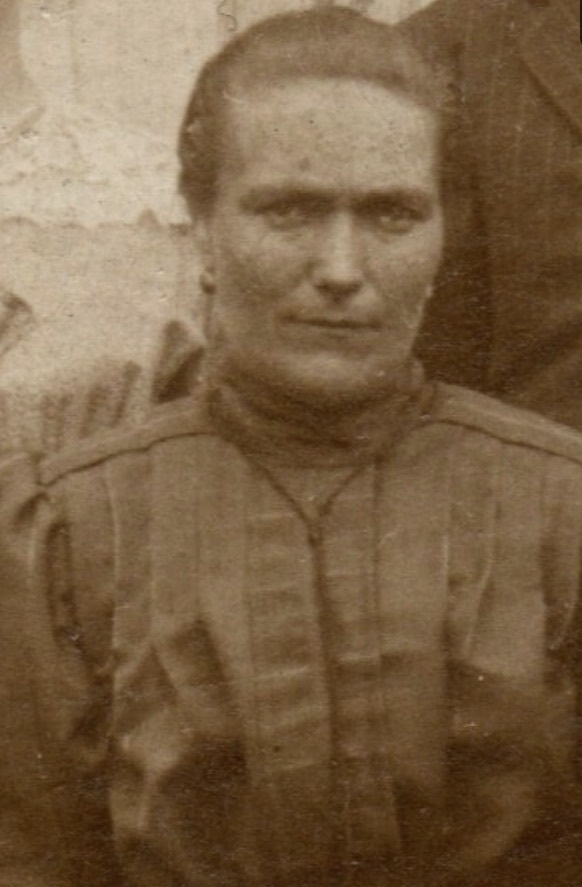
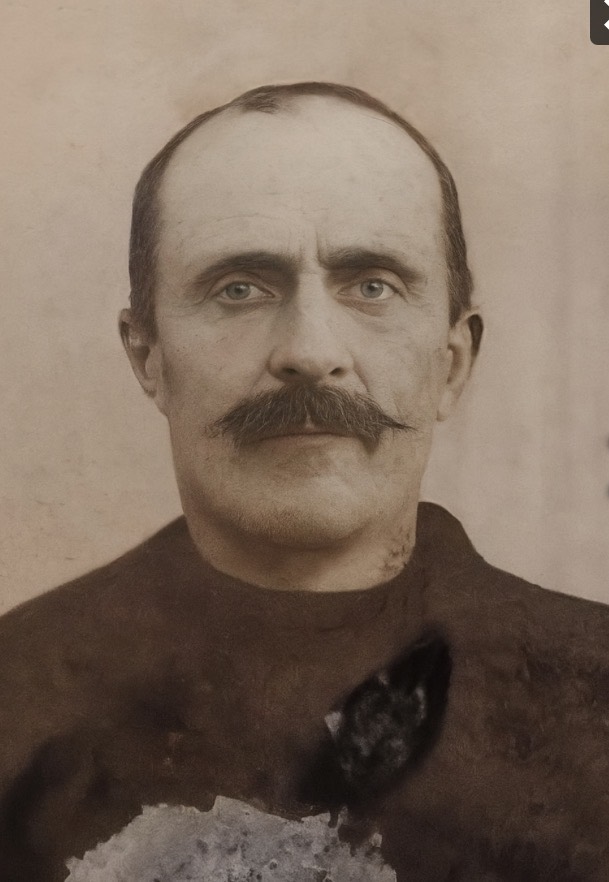
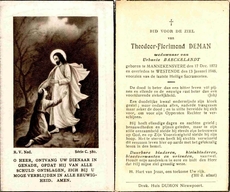
Sur la carte mortuaire de Théodoor Florimond Deman, quelques lignes résument soixante-treize années : né à Mannekensvere le 17 décembre 1872, veuf d’Urbanie Baeckelandt, mort à Westende le 13 janvier 1946. Le document ne dit presque rien du foyer qu’ils avaient construit. Il ne dit pas qu’entre 1894 et 1909, onze enfants portèrent leur nom. Il ne dit pas davantage qu’une guerre allait vider leur village, le livrer aux armées et le laisser en ruines.
Longtemps, nos anciennes recherches ne retenaient que quatre de ces enfants : Léon, Aimé, Nestor et Karel. Le dossier familial permet aujourd’hui d’en nommer onze. Cette différence change le regard. Nous ne découvrons plus seulement quelques destins isolés, mais toute une génération Deman née dans les polders, frappée par les deuils précoces, traversée par la Première Guerre mondiale et dispersée dans le vingtième siècle.
Théodoor et Urbanie : un foyer de Mannekensvere
Théodoor — également appelé Theophiel dans certaines sources — était le fils de Joannes Baptiste Deman et de Maria Ludovica D’Haene. La compilation Patronomia le décrit tour à tour comme landbouwer, winkelier et werkman : cultivateur, commerçant et ouvrier. Ces mots suggèrent une existence faite de plusieurs activités plutôt qu’un métier unique et immuable.
Urbanie Maria Baeckelandt était née à Slijpe le 28 juillet 1875. La même compilation la qualifie de winkelierster, commerçante. Elle situe le mariage du couple au 4 mars 1894 à Mannekensvere. Ces renseignements sont cohérents avec le dossier généalogique actuel, mais les actes originaux du mariage et des naissances ne sont pas encore joints à notre fonds : ils restent donc des données documentées de niveau C, et non des preuves primaires.
Mannekensvere était alors un petit village rural de Flandre occidentale, établi dans le paysage bas des polders, près de l’Yser. Le foyer Deman y grandit rapidement. En quinze ans, Urbanie donna naissance à trois filles et huit garçons.
Les onze enfants retrouvés
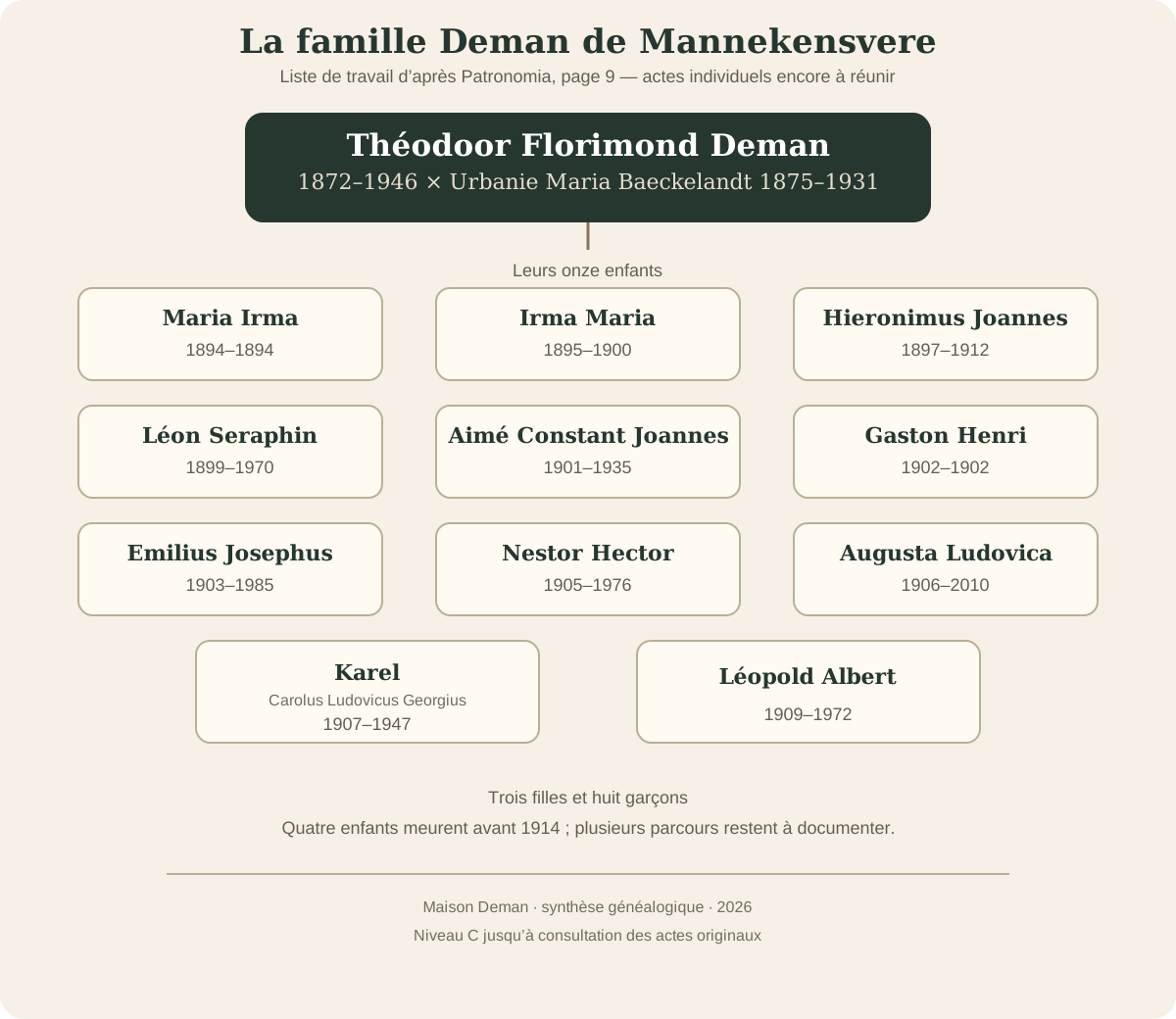
La liste actuellement la plus complète est la suivante :
- Maria Irma Deman (1894–1894) ;
- Irma Maria Deman (1895–1900) ;
- Hieronimus Joannes Deman (1897–1912) ;
- Léon Seraphin Deman (1899–1970) ;
- Amatus Constantinus Joannes, dit Aimé Deman (1901–1935) ;
- Gaston Henri Deman (1902–1902) ;
- Emilius Josephus Deman (1903–1985) ;
- Nestor Hector Deman (1905–1976) ;
- Augusta Ludovica Deman (1906–2010) ;
- Carolus Ludovicus Georgius, dit Karel Deman (1907–1947) ;
- Léopold Albert Deman (1909–1972).
Ces dates racontent déjà une part de l’histoire. Maria Irma ne vécut que peu de temps. Irma Maria mourut vers cinq ans. Hieronimus n’atteignit pas l’âge adulte. Gaston Henri mourut l’année de sa naissance. Avant même la guerre, Théodoor et Urbanie avaient donc perdu quatre enfants.
À l’autre extrémité de la fratrie, Augusta Ludovica traversa presque tout le vingtième siècle et mourut en 2010. Entre ces deux extrêmes demeurent des vies encore silencieuses. Nous connaissons les années d’Emilius et de Léopold, mais presque rien de leurs parcours. Les nommer n’est pas combler artificiellement les blancs : c’est reconnaître leur place et indiquer où la recherche doit maintenant reprendre.
1914 : le village disparaît sous la guerre
Lorsque la Première Guerre mondiale atteint l’Yser en octobre 1914, Théodoor a quarante et un ans, Urbanie trente-neuf. Leurs enfants survivants ont entre cinq et dix-neuf ans.
L’inventaire scientifique du patrimoine flamand permet de mesurer ce qui arrive alors à Mannekensvere. Après la chute d’Anvers, l’armée belge prend position derrière l’Yser. Le clocher du village est dynamité le 15 octobre afin qu’il ne serve pas de point d’observation. Les premiers soldats allemands entrent dans la localité le 18 octobre. Les habitants sont évacués. Au retour de la paix, Mannekensvere est décrit comme entièrement ruiné : le centre, les fermes et le paysage environnant ont été écrasés par quatre années de guerre.
Le dossier familial ne dit pas encore où Théodoor, Urbanie et leurs enfants passèrent ces années, ni si la famille resta réunie pendant toute l’évacuation. Il serait tentant d’inventer un refuge ou un itinéraire ; nous ne le ferons pas. Ce que les sources permettent d’affirmer suffit déjà : leur village fut vidé, occupé, bombardé puis reconstruit, et leur existence familiale s’inscrit dans cette rupture.
Un récit local rapporte que Léon perdit un œil pendant le conflit et porta ensuite un œil de verre. L’information est plausible et répétée dans les recherches antérieures, mais sa référence complète et un éventuel dossier militaire doivent encore être retrouvés. Elle reste donc présentée comme un récit documenté à confirmer, non comme un fait établi par un acte.
Quatre frères mieux éclairés que les autres
Léon, la figure locale
Léon Seraphin Deman naquit le 11 octobre 1899 à Mannekensvere et mourut le 3 décembre 1970 à Oostende. Il épousa Magdalena Rotsaert. Un texte local, autrefois repéré sur le site de Middelkerke, le décrivait comme une figure populaire de la région et un chasseur remarquable malgré la perte d’un œil. Le même récit attribuait sa mort à un accident de la circulation.
Ces détails donnent une présence à Léon, mais ils doivent encore être reliés à leur page d’origine ou à des documents contemporains. Ils sont ici conservés comme pistes sérieuses, avec leur réserve.
Aimé, la ronde interrompue
Aimé naquit le 19 mai 1901 à Mannekensvere. Il épousa Jeanne Hortensia Lexhardé à Nieuwpoort en 1926. Sa carte mortuaire et plusieurs coupures de presse racontent sa mort, survenue dans la nuit du 31 octobre 1935 près de Keiem, lors d’une ronde contre des braconniers. Il avait trente-quatre ans.
Son histoire possède désormais son propre article sur Maison Deman. Elle est la branche directe qui relie cette fratrie à Johnny : Théodoor et Urbanie → Aimé → Odette Deman → Jean-Marie Deman → Johnny Deman.
Nestor, le charpentier d’Ostende
Nestor Hector Deman naquit le 8 décembre 1905 à Mannekensvere et mourut en 1976. Une ancienne recherche le décrit comme charpentier à Ostende et lui attribue au moins une fille. En l’absence de l’acte, du registre de population ou de la source professionnelle correspondante, ces éléments restent à consolider.
Ils ouvrent néanmoins une piste intéressante : celle du déplacement d’une partie de la fratrie depuis le village reconstruit vers la ville portuaire d’Ostende.
Karel, le drame de la course
Carolus Ludovicus Georgius, appelé Karel, naquit le 10 décembre 1907 à Mannekensvere et mourut le 6 octobre 1947 à Oostende. Un récit local rapporte qu’il fut victime d’un accident au cours d’une course cycliste amateur à Mannekensvere.
Là encore, le décès et la filiation sont bien intégrés au dossier de travail, tandis que les circonstances exactes demandent encore une coupure de presse, un acte ou une chronique locale identifiable.
Urbanie disparaît, le foyer demeure
Urbanie mourut à Mannekensvere le 13 octobre 1931, à cinquante-six ans selon la compilation. Elle ne connut donc ni la mort violente d’Aimé en 1935 ni celle de Karel en 1947. Théodoor lui survécut un peu plus de quatorze ans. Sa carte mortuaire, document contemporain, confirme son décès à Westende le 13 janvier 1946 et le désigne comme veuf d’Urbanie Baeckelandt.
Entre-temps, leurs enfants étaient devenus adultes dans une région reconstruite. Certains restèrent liés à Mannekensvere ; d’autres apparaissent à Oostende, Nieuwpoort ou ailleurs sur la côte. La géographie de cette famille suit ainsi celle de la Flandre maritime : villages de polders, bourgs reconstruits et ville portuaire.
Ce que cette fratrie nous rend
Cet article n’achève pas l’histoire des onze enfants. Il la remet debout.
Il corrige d’abord une image trop étroite : Théodoor et Urbanie ne furent pas seulement les parents de quatre fils dont les destins avaient laissé des traces. Ils fondèrent une famille de onze enfants, connurent au moins quatre deuils avant 1914, virent leur village disparaître dans la guerre et participèrent, directement ou par leurs enfants, à la vie de la côte reconstruite.
Il rappelle ensuite une règle essentielle de Maison Deman : le silence des archives n’autorise pas l’invention. Emilius, Augusta, Léopold, Maria Irma, Irma Maria, Hieronimus et Gaston ne recevront pas de vies imaginaires pour équilibrer le récit. Ils reçoivent mieux : leur nom, leurs années connues et une place précise dans la recherche à venir.
La prochaine étape sera de retrouver les actes des onze enfants, les registres de population de Mannekensvere et les traces de l’évacuation du ménage pendant la Grande Guerre. Alors seulement, cette photographie familiale sans photographie pourra gagner de nouveaux visages.