Dans les vieux papiers de Fleurus, la famille Lebon n’apparaît pas d’abord par un visage, mais par une maison. Rue des Bourgeois, elle porte l’enseigne La Rose. Elle possède deux cours, une grange et un jardin contre le ruisseau. En 1816, le notaire l’appelle déjà La Vieille Rose, comme si ses murs avaient eu le temps de retenir plusieurs générations de voix.
Autour d’elle, Fleurus n’est pas une ville tranquille. Les routes militaires traversent sa plaine fertile ; les armées y reviennent, les champs brûlent et les habitants recommencent. L’histoire des Lebon se dessine dans ce paysage, entre des biens réellement documentés et une filiation qui n’est pas encore cousue jusqu’à Joseph, Annie et Johnny.
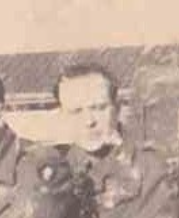
La Rose, une maison avant la filiation
En 1751, Charles Lebon, époux de Marie-Isabelle Simon, déclare des cens sur une grange du Petit Marché et sur sa maison de la rue des Bourgeois, à l’enseigne La Rose. La propriété venait des familles Simon et Rosart par des actes de 1688 et 1717. Le partage reçu par le notaire Carpent le 25 juin 1816 décrit encore la maison, ses deux cours, sa grange et son jardin.
Le même cartulaire mentionne Antoine Lebon, Marc-Antoine Lebon et un autre Charles Lebon, marié à Gabrielle — ou Gabriel — Gentillet. Leur présence patrimoniale à Fleurus est attestée. Leur parenté avec la ligne récente reste à établir : porter le même nom dans la même région est une piste, pas une preuve.
Une ville qui connaît le feu
Lors des combats de la guerre de Trente Ans, un incendie anéantit presque entièrement Fleurus.
Environ 80 000 hommes s’affrontent dans les hauts blés ; la ville est de nouveau à moitié incendiée.
Les tirs mettent les champs en feu. Après la bataille révolutionnaire, Fleurus est entièrement pillée.
À Ligny, tout près, six heures de combats gagnent les rues, les jardins et les maisons du village.
Les papiers relatifs à La Rose commencent en 1688. Deux ans plus tard, les moissons dissimulent les mouvements de troupes, l’artillerie tire entre Saint-Amand et Ligny et le ruisseau entre lui-même dans la géographie du combat. Nous ignorons quels Lebon vivaient alors à Fleurus. Mais lorsque leurs noms apparaissent clairement au XVIIIe siècle, l’incendie de 1690 appartient encore à la mémoire des parents et des grands-parents.
Le 26 juin 1794, Fleurus dans la fumée
Melchior-Joseph Lebon, notaire à Fleurus
La recherche a fait apparaître une présence nouvelle et solide. Les Archives de l’État répertorient Melchior-Joseph Lebon, notaire à Fleurus. Des pièces le citent en 1775 et en 1786–1787. Il reçoit encore, le 13 février 1793, un bail concernant la ferme de l’abbaye de Soleilmont. En 1802, une transcription d’acte le montre comme ancien notaire, toujours domicilié à Fleurus et appelé comme témoin.
Un Lebon se trouve donc bien au cœur de la vie juridique de Fleurus juste avant la bataille révolutionnaire, puis dans les papiers après celle-ci. Aucun document consulté ne permet toutefois de dire où Melchior-Joseph se trouvait le 26 juin 1794, ni de le rattacher à Charles Lebon de La Rose ou à la ligne de Joseph.
1815 : la guerre revient aux portes de la maison
Le 16 juin 1815, à Ligny, village voisin de 900 habitants, environ 87 000 Prussiens et 65 000 Français s’affrontent pendant six heures. Les combats gagnent les rues, les jardins et les maisons ; Ligny finit en flammes. Ce sera la dernière victoire de Napoléon.
Un an et neuf jours plus tard, le partage notarié de la famille Lebon décrit La Vieille Rose. Le document ne raconte pas la bataille. Sa date rapproche pourtant deux réalités : le territoire vient d’être bouleversé par les armées, tandis qu’une famille retourne chez le notaire pour partager une maison, une grange et un jardin. Après le fracas, la vie ordinaire reprend ses droits.
De Fleurus à Marbais et Brye
Plus près de nous, la branche conduit à Joseph Lebon et Paula Wauthy, puis à leur fille Annie Lebon, née à Marbais en 1953. Joseph et Paula ont eu six enfants. Après la mort de Joseph, Paula les a élevés seule.
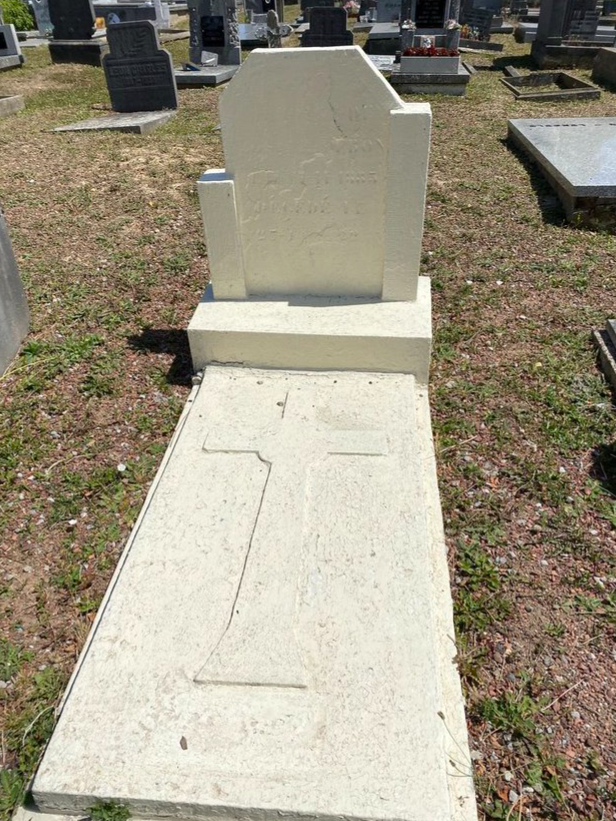
L’arbre Geneanet de Johnny donne Joseph Gaspart Lebon et Caroline Augustine Lambert comme parents de Joseph Jean Robert Lebon. Johnny confirme cette filiation familiale et identifie la tombe photographiée comme celle de Joseph Gaspart, placée à côté de la sépulture de Joseph et Paula au cimetière de Marbais. Sans acte original joint, la filiation reste classée C/T : donnée d’arbre appuyée par la mémoire familiale.
Arlette Lebon et son premier mari Jean Tagliafero ont eu trois enfants : Christine, Jean-Pierre et Patricia Tagliafero. Johnny l’a confirmé le 29 août 2026 après avoir rectifié son souvenir de la veille. Son second mari fut Jean Swinnen.
Le fil ancien n’est pas encore une chaîne
L’arbre de travail cite Olivier Joseph Lebon, né vers 1859, Charles Joseph Lebon, né vers 1824, et Pierre Joseph Lebon, né vers 1745. Il évoque une continuité du nom jusque vers 1624. Ces indications restent de niveau C tant que les actes intermédiaires ne permettent pas de rejoindre les Lebon de Fleurus.
La beauté de cette histoire n’exige pas de remplir les blancs. Elle tient déjà dans ce que les documents laissent entrevoir : une maison au bord de l’eau, une ville plusieurs fois relevée de ses cendres et des générations qui ont continué à vivre quand les canons se taisaient.